Writing From The Inside Out 2026 Week 25 Prompts
based on William Stafford’s, Story Time
How It Works
Read the poem
Do your own reflection on it, noting what it inspires in you
Feel free to use your own reflection as your prompt or…
Use the selection of prompts below
Pick one that inspires you and write (feel free to use only one or write several poems using different prompts) or…
Don’t use any of the provided prompts and follow your inspiration from wherever it comes
Story Time
Tell that one about Catherine
who carried her doll to college
and when her baby died,
she threw her doll in the river.
Tell that one.
And the one when the old engineer
liked his locomotive so much,
he lived there and they had to
build him a house with a whistle.
I like that.
And the successful racehorse with a fancy stall
fixed up like a western clubhouse
with an old tennis shoe nailed
for good luck above the door.
That’s a good one.
But I’m tired of this long story
where I live, these houses with people
who whisper their real lives away
while eternity runs wild in the street,
and you suffocate.
Yes, and how about the boy who always
granted others their way to live,
and he gave away his whole life
till at last nothing was left for him?
Don’t tell that one.
Bring me a new one, maybe with a dog
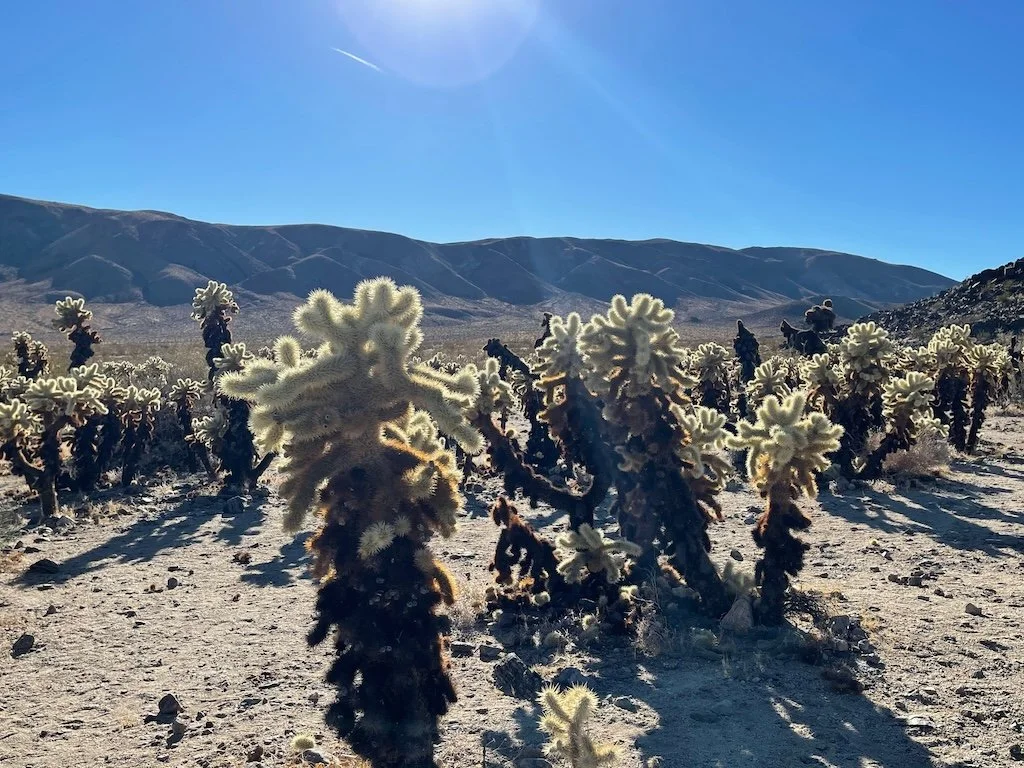
that trots alongside, and a desert with a hidden
river, no one else finds, but you go there
and pray, and a great voice comes.
And everything listens.
—William Stafford
https://en.wikipedia.org/wiki/William_Stafford_(poet)
If you wish to attend the read around (t’s free, fun, a great way to share, and reading a poem is optional). Note: If you registered already, you do not need to register again, simply use the link sent to you in your confirmation email. Register Here:
The next Read-Around is 6/18/26 at 5:00 PM PDT
My Thoughts
When lost, I always go back to the old stories. And then I lose myself in them no matter how well worn the path or how clearly the signs point the way. Even, and perhaps especially, those stories that hollow me out and there’s nothing left but all the sorrows of love, like a crowd of heirs to my misfortune: the betrayals, the griefs, the disappointments. I never burned bridges. I just made them one way. So, I love stories about the better angels bridging the broken. My father was the angel for his two brothers who hadn't spoken in 20 years, which cracked open a tenderness in me for him I had buried long before. Or the stories of love wrecked and love reclaimed, like Burton and Taylor and J.Lo and Ben, and all the tales that teach there is no distance beyond the reach of love. Despite my one-way life, I believe in second chances and the grace of reunion.
That same force is alive in our lives in moments lost and found, sitting around the kitchen table swapping stories. I never tire of hearing the one about the innocent fugitive harbored in the secret chamber of the heart, or the one about a ragtag group of misfits who form an unbreakable fellowship; or the one about the sandbag chain of community that comes together when the levy breaks. Willam Stafford deftly describes the renewable power of stories in his poem, Story Time. Stories speak to the fugitive held in the sacred chamber of our own hearts, remind us that we may be a band of misfits, but we are more together than alone, that we can find solace in a pair of shoes or love something so much we inhabit it.
That is also why we must take care of the stories we tell because a story can also whisper our real lives away and leave us shallow, tired and barely breathing;. Stafford’s poem urges me to stop telling the story of one-way bridges and islands unto myself and listen instead to the way my heart finds the river of belonging in the desert of my life and then school myself there until I hear, in the voices around me, the one voice that speaks through us all.
Prompt Ideas
Journal or write about a story time, wherever that may lead you or whatever that may mean to you.
Follow Stafford’s lead and write a poem that epeats the phrase, tell the one…
Journal or write a poem about a personal transformation that involved letting go of an object like Catherine’s doll in Stafford’s opening stanza.
Write about something in your life that you love so much you have come to inhabit, like the engineer’s love of locomotives
Stafford flips an idiom when he replaces a human superstition of a horseshoe for good luck for a tennis shoe in a horse’s stall. Write about a “superstition” in your life or about some quirky thing you do that seems antithetical to common practice.
Write about how you or people in general might whisper away their real lives.
What stories do you tell or people in your family or circle tell the you don’t want to inhabit; that you want to stop telling or need to retell in a new way.
What is a new story you. want to hear (maybe with a dog that trots aongside or a river in a desert that answers your prayers)
As usual, write about whatever else inspires you form the poem or from life.